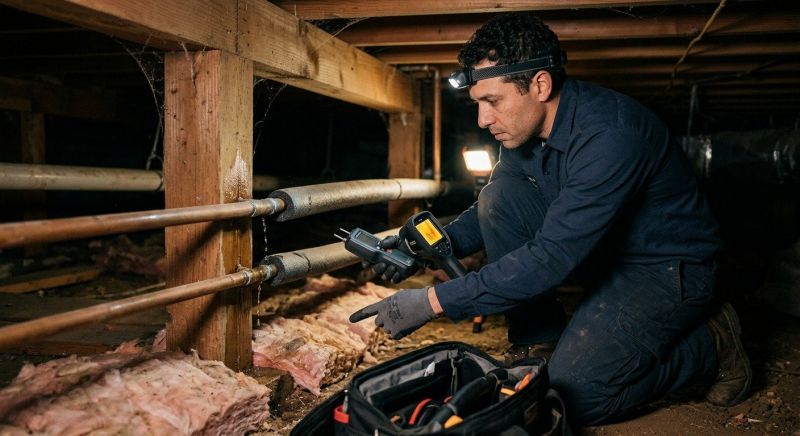
Underground Leak Detection in Denver, CO
Underground leak detection services involve the use of specialized equipment to locate hidden water leaks within underground pipes, slabs, or hidden plumbing systems. This service is often requested for projects such as diagnosing unexplained increases in water bills, identifying leaks beneath concrete slabs, or pinpointing issues in buried water lines. Property owners typically seek this service to accurately determine the source of a leak without unnecessary excavation or damage, ensuring that repairs can be targeted and efficient.
Before requesting underground leak detection, property owners should gather relevant information such as the location of visible leaks, any recent changes in water usage, and the history of plumbing repairs. Understanding the scope of the plumbing system and any prior issues can help in assessing the best approach for leak detection. Clear communication about the problem symptoms and property details can facilitate a more accurate and effective detection process.
Many property owners in Denver, CO look into Underground Leak Detection for repairs, replacements, upgrades, and appearance-related improvements.
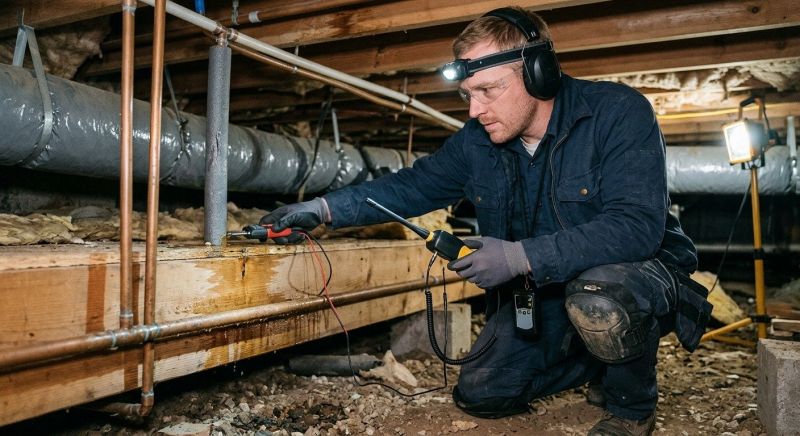
Detecting Hidden Leaks
Advanced techniques identify leaks that are not visible on the surface.
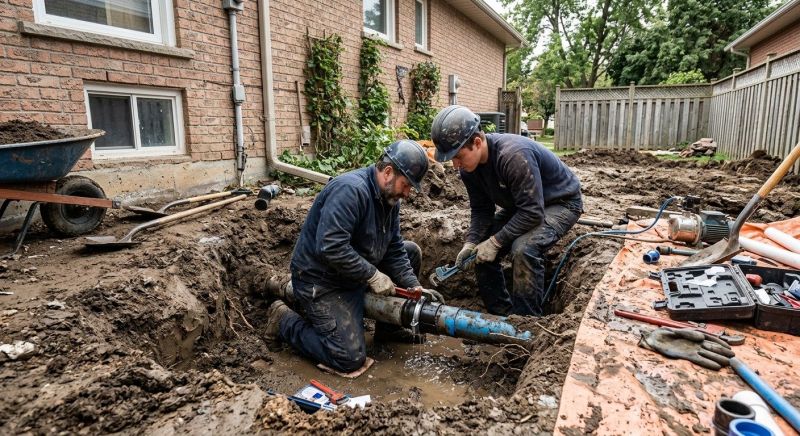
Preventing Property Damage
Early detection helps avoid costly repairs caused by underground water leaks.
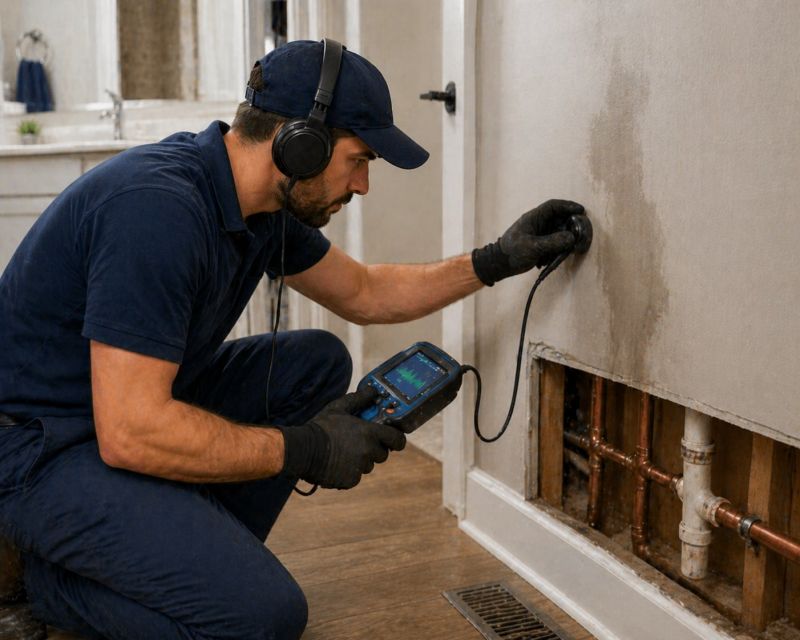
Ensuring Water System Integrity
Reliable leak detection maintains the safety and efficiency of your plumbing system.
Underground Leak Detection in Denver, CO

Underground leak detection services involve the use of specialized equipment to locate hidden water leaks within underground pipes, slabs, or hidden plumbing systems. This service is often requested for projects such as diagnosing unexplained increases in water bills, identifying leaks beneath concrete slabs, or pinpointing issues in buried water lines. Property owners typically seek this service to accurately determine the source of a leak without unnecessary excavation or damage, ensuring that repairs can be targeted and efficient.
Before requesting underground leak detection, property owners should gather relevant information such as the location of visible leaks, any recent changes in water usage, and the history of plumbing repairs. Understanding the scope of the plumbing system and any prior issues can help in assessing the best approach for leak detection. Clear communication about the problem symptoms and property details can facilitate a more accurate and effective detection process.
Many property owners in Denver, CO look into Underground Leak Detection for repairs, replacements, upgrades, and appearance-related improvements.
Common Underground Leak Detection Jobs
Underground leak detection - helps identify hidden water leaks that may cause property damage.
Residential plumbing - locates leaks in home water lines without invasive digging.
Commercial properties - detects leaks beneath concrete slabs or in hard-to-access areas.
Municipal infrastructure - pinpoints leaks in underground water and sewer lines.
Pool and spa systems - finds leaks in underground pool plumbing to prevent water loss.
Emergency leak services - quickly identifies urgent underground leaks to minimize property impact.
Underground Leak Detection Questions
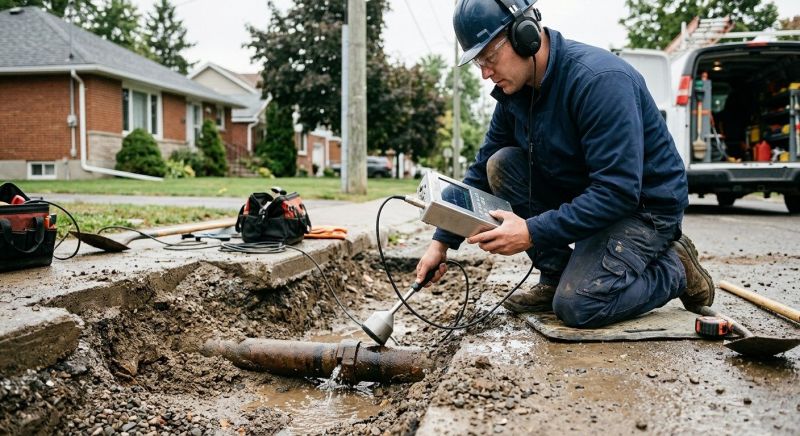
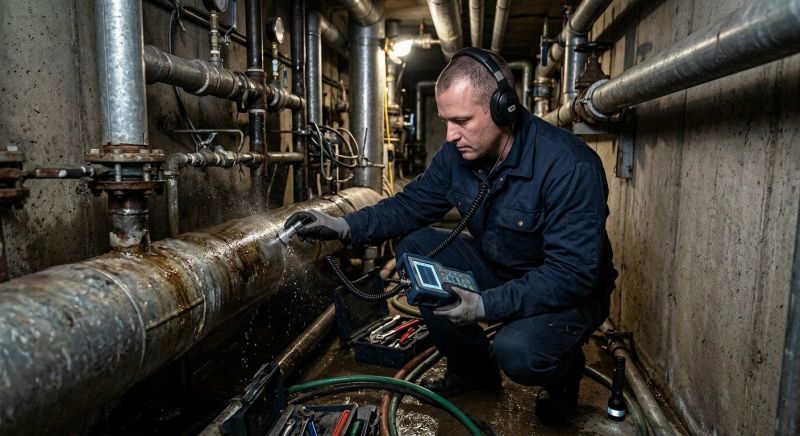
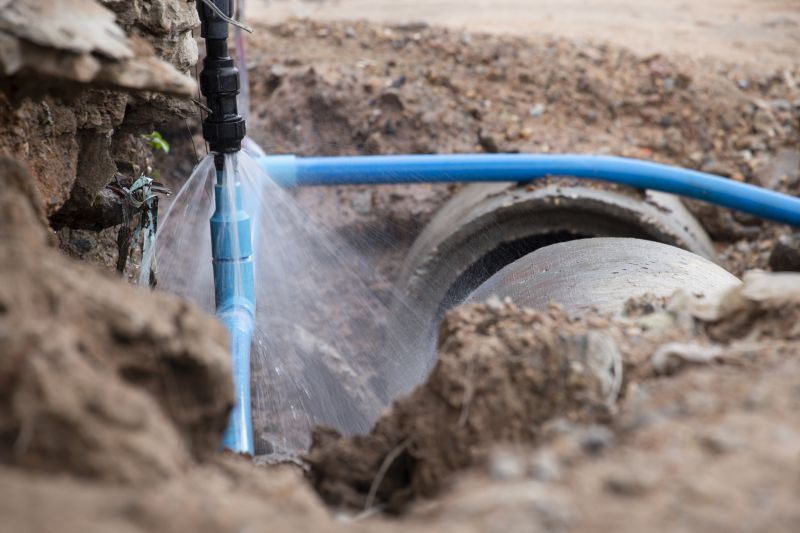
What is underground leak detection? It is a process used to locate hidden water leaks beneath the ground surface without damaging property or landscaping.
When should property owners consider leak detection? When there are unexplained increases in water bills, damp spots, or reduced water pressure in the property.
What types of projects typically require underground leak detection? Common projects include residential plumbing issues, commercial building maintenance, and irrigation system repairs.
How does the detection process work? Specialized equipment is used to identify the presence and location of leaks through sound, pressure, or moisture readings underground.
Request Underground Leak Detection in Denver, CO
Use the quote form on this page to share the basics of your project and request more information for the type of work you need.